

About
Custom automation that does not start from scratch
Schaner Designs builds custom automation from a library of reusable, T-slot compatible components, and sells those components to manufacturers, integrators, and builders who want to do the same.
We started with a simple observation: too much automation is still built one machine at a time. It works for the immediate job, but it is expensive to change, difficult to service, and too often redesigned from the ground up on the next project.
Why we exist
Automation should grow with the process, not be rebuilt for it
When every machine is a one-off, the engineering value is trapped inside that machine. Adding capacity, changing a part, or adapting the process can mean beginning again.
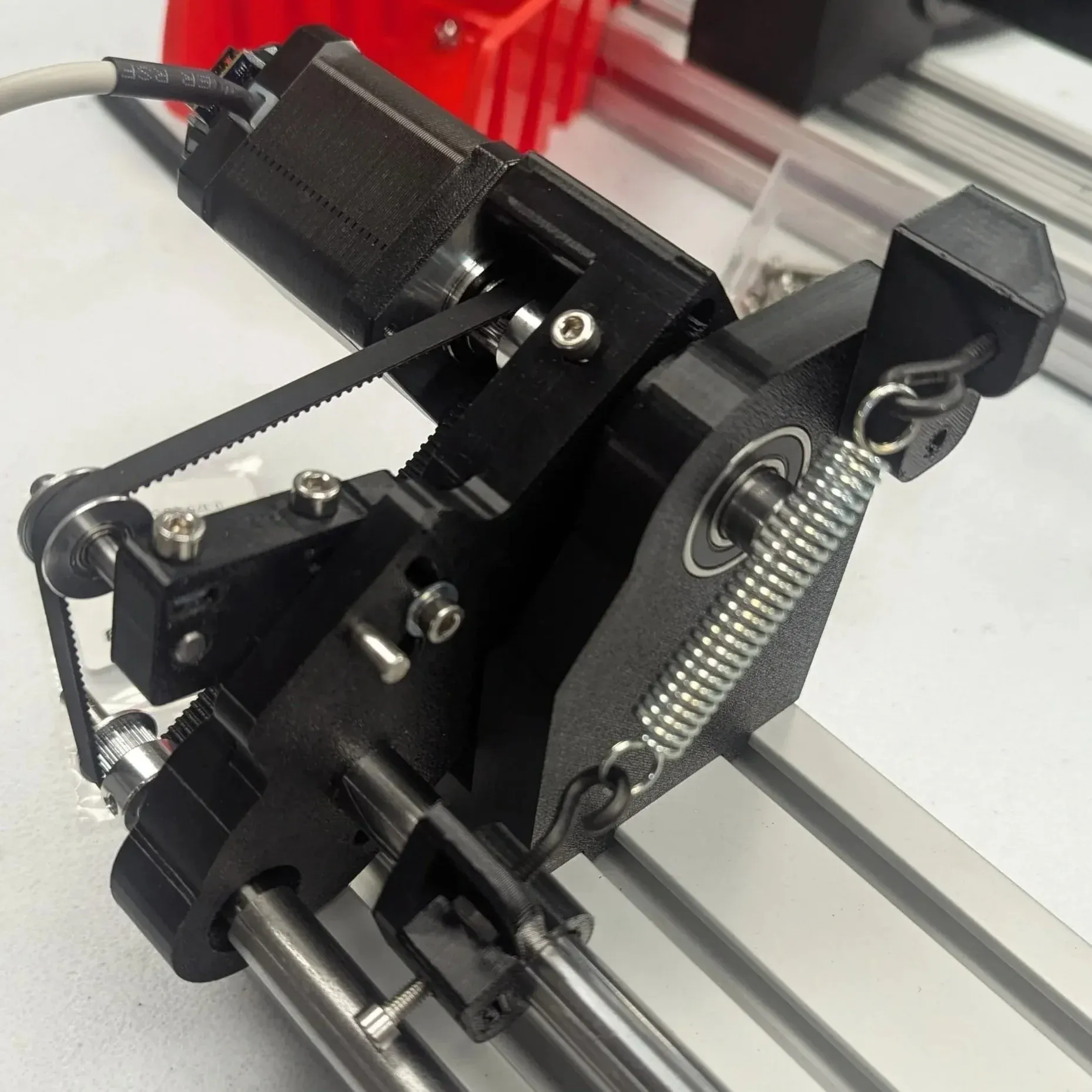
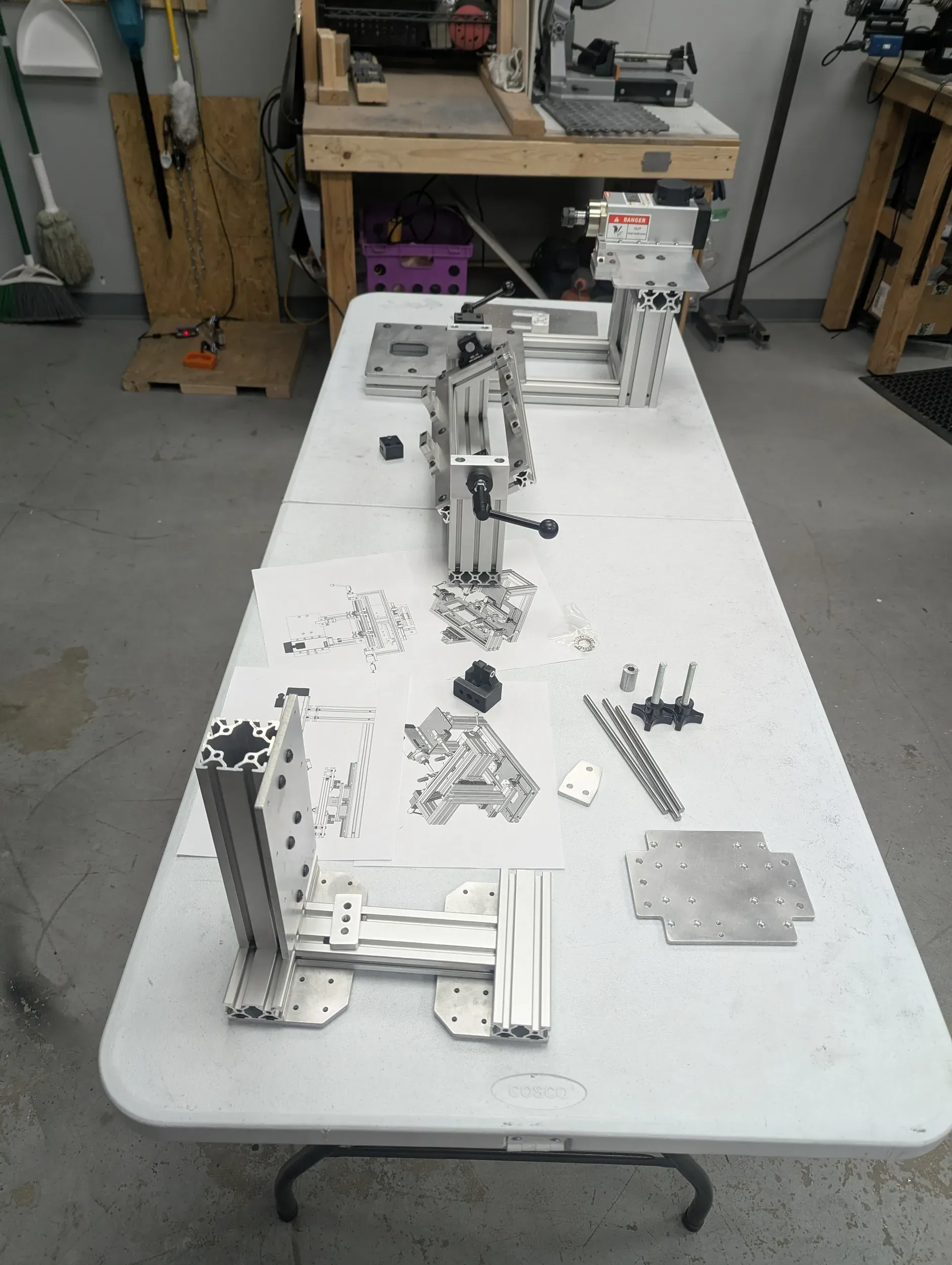
We take the opposite approach: standardize the interfaces, build around common T-slot extrusion, and treat each project as a reusable starting point for the next.
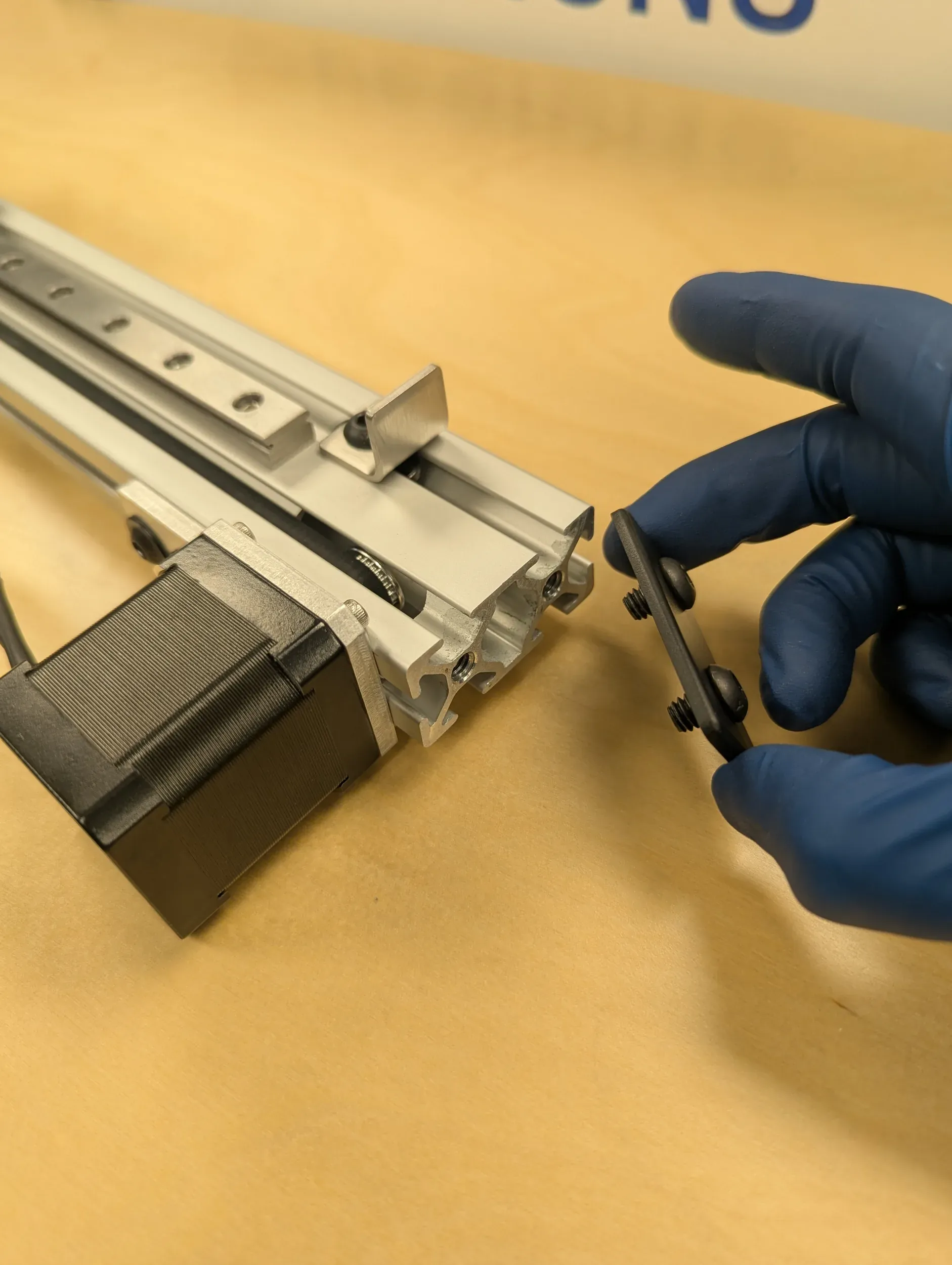
SDLA belt-driven linear actuators were the first product family. Grippers, feeders, rotary stages, and custom machines follow the same mounting and interface rules.
Principles
How we design
One mounting standard
Every component mounts to standard T-slot profiles and uses the SDLA plate pattern, so parts can move between machines without custom adapters.
Built to be reused
Fixtures, feeders, and mechanisms are designed so the next project starts from proven building blocks instead of a blank sheet.
Serviceable by you
Machines use components available from Schaner Designs and common T-slot hardware, so your team can handle routine repairs and changes.
Realistic over theoretical
We quote what we have experience building, test before shipment, and say so when a standard component is not the right answer.
Process
How a custom project works
- 01
Talk
Start with a short call or email. A sketch, a photo, or a paragraph is enough. Within two business days we will tell you whether the job calls for a stock part, a modified component, or a custom build.
- 02
Define
Machine Definition on your parts and your process: concept, interfaces, risks and acceptance criteria. A fixed-price proposal with a concept design follows within five business days of kickoff and receipt of your parts.
- 03
Design
After the first payment we complete the final design. We walk you through it on a video review, and you approve it before fabrication begins.
- 04
Build
We machine, assemble, wire, and program the equipment in our Omaha shop, with a written update every week. We run it on your parts before it ships, then ship it anywhere in the United States.
- 05
Hand off
You receive drawings, BOMs, a manual, and training. Spare parts are called out in the BOM and are standard components wherever possible.

Founder
Dan Schaner
Dan is a mechanical engineer with more than eleven years in manufacturing and automation. He leads product development for the SDLA line and component library, and works directly with customers on every machine.
Schaner Designs is based in Omaha, Nebraska, and works with manufacturers, integrators, and product teams across the United States.
Background
Engineer by training. Problem solver by nature.
Dan earned a B.S. in Mechanical Engineering from Montana State University, with minors in mechatronics and materials.
He spent four years as a manufacturing engineer at Rocky Mountain Twist, supporting automated production for aerospace cutting tools. The work was hands-on: designing tooling, building equipment and control panels, and programming PLCs and industrial robots. At Xtant Medical, he applied the same approach to the equipment that makes surgical implants in medical clean rooms.
In plant after plant, he saw machines built as one-offs: expensive to change, hard to service, and started from scratch the next time around. Schaner Designs is the response. Standardize what can be standardized, keep what works, and make each project a head start on the next.
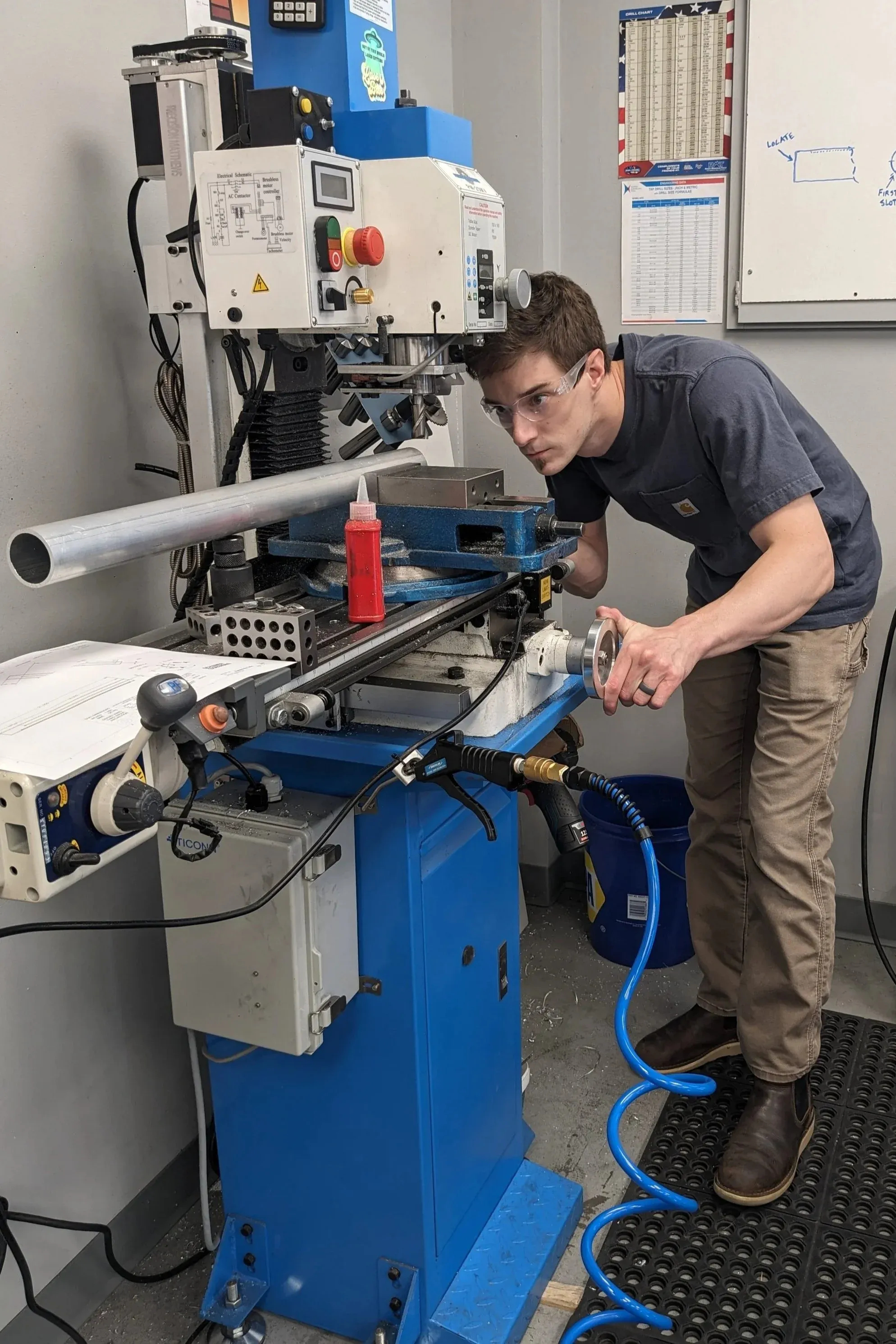
He has been hooked on machining since his first manufacturing processes class, because good machine design starts with understanding how parts are actually made.
Outside the shop, Dan is usually rock climbing. The approach is familiar: read the problem, test a sequence, find what fails, adjust, and try again until it works.

Certifications
SolidWorks certified, professional and advanced
Dassault's certification exams are a benchmark for SolidWorks competency. Dan holds the professional certification plus three advanced specialties, which is what our drawings, sheet metal, and weldment work is built on.
CSWP
Certified SolidWorks Professional
Exam score 94.7%
About this examCSWPA-DT
Advanced Drawing Tools
Exam score 100%
About this examCSWPA-SM
Advanced Sheet Metal
Exam score 93.1%
About this examCSWPA-WD
Advanced Weldments
Exam score 96.1%
About this exam